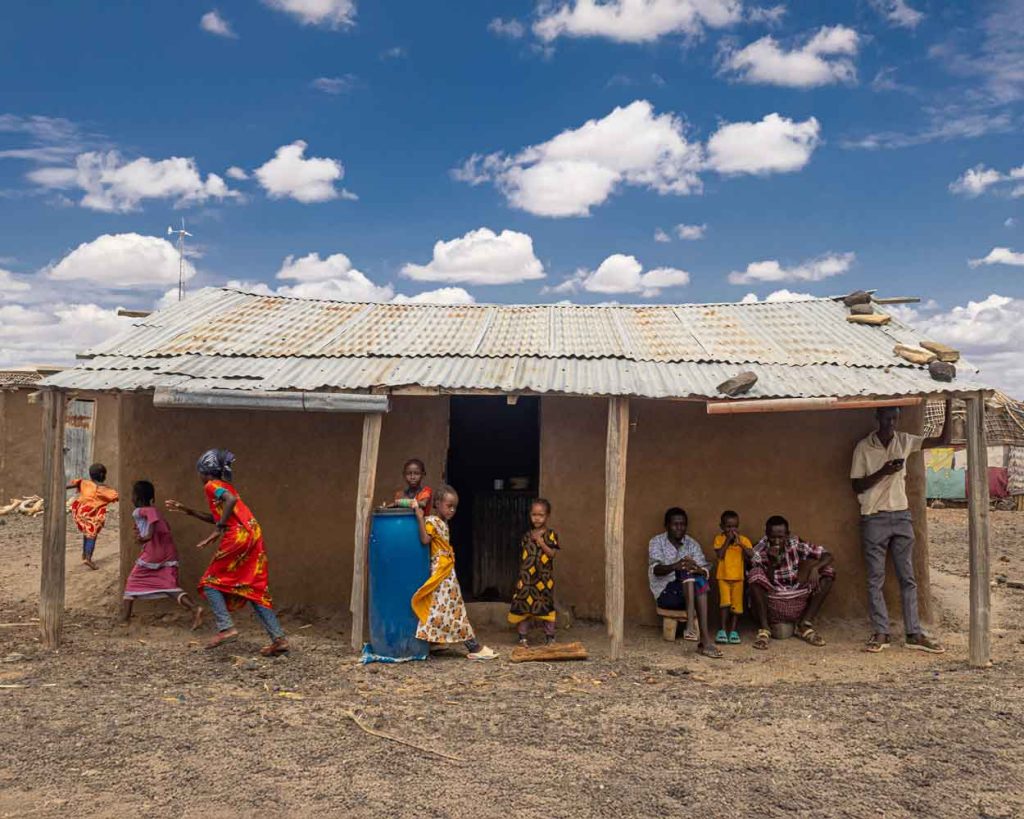
Cross-border peace and security are essential for pastoralist communities who rely on seasonal mobility, shared grazing lands, water sources, and trade networks. Yet borderland communities often face recurring conflict, insecurity, restricted movement, and exclusion from decision-making processes that directly affect their lives.
Our approach centers community leadership, human rights, and lived experience. We work with pastoralist communities, women, youth, and community leaders to strengthen cooperation, prevent conflict, and influence policies and practices that shape peace and security across borders.
We support communities to build trust, dialogue, and cooperation around shared natural resources such as grazing lands and water points, while defending pastoralist mobility as a legitimate and essential livelihood practice.
Through community-led agreements and advocacy, we promote safe movement across borders and joint management of resources that reduce conflict and support peaceful coexistence in borderland areas.
We strengthen community participation in peacebuilding, mediation, and security governance at local, national, and regional levels. By engaging communities alongside county, national and regional authorities, we promote conflict prevention, accountability, and inclusive decision-making that reflects lived realities and builds trust in security processes.
We build the capacity of the community to engage in cross-border advocacy and influence regional policy processes. Our work applies a human rights lens to peace and security, ensuring that policies protect communities, uphold dignity, and respond to the disproportionate impacts of violence and insecurity on women, youth, and other vulnerable groups.
We intentionally center the voices of women, youth, persons with disabilities, and other marginalized groups in cross-border peace and security dialogues, recognizing their leadership and lived experience as essential to sustainable peace.
We generate evidence through participatory research grounded in community knowledge and experience. This evidence informs advocacy, policy engagement, and programming, ensuring that cross-border peace and security interventions are relevant and credible.